Understanding the Importance of Flashing for Your Roof
Flashing is a crucial component when it comes to protecting your home from water damage. It acts as a barrier, preventing leaks by sealing joints and edges on your roof. Though often overlooked, flashing plays a vital role in ensuring the longevity and effectiveness of your roofing system. By understanding its purpose and benefits, you can make informed decisions about maintaining your roof’s integrity.
The Role of Flashing in Weatherproofing
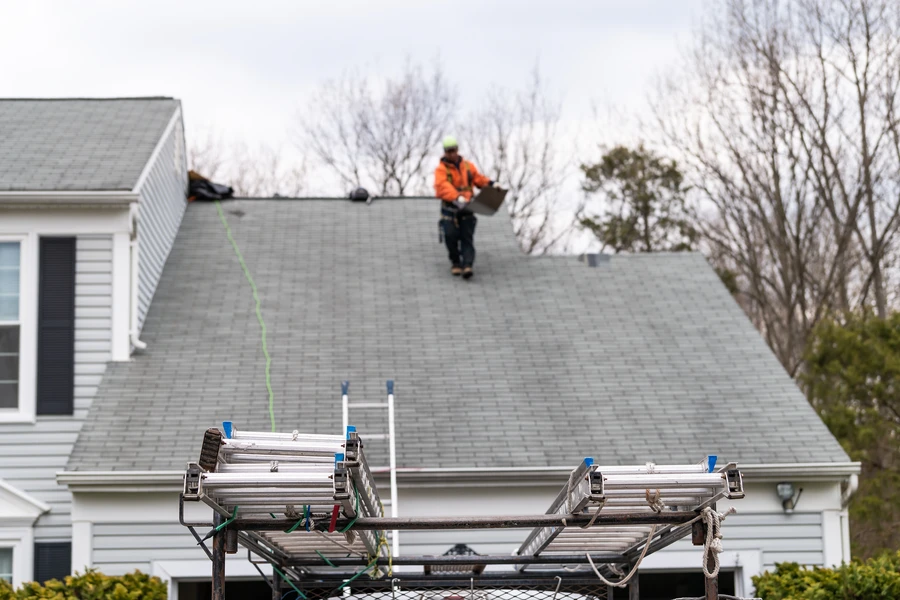
Flashing is essential for weatherproofing your home. It directs water away from areas where it could cause problems, like chimneys, vents, and skylights. Without proper flashing, these vulnerable spots are prone to leaks and moisture infiltration. This protection ensures that rainwater and melting snow do not seep into your home’s structure, which can lead to significant damage over time. Effective flashing helps maintain your home’s comfort and structural stability by keeping it dry.
Enhancing Durability With Proper Installation
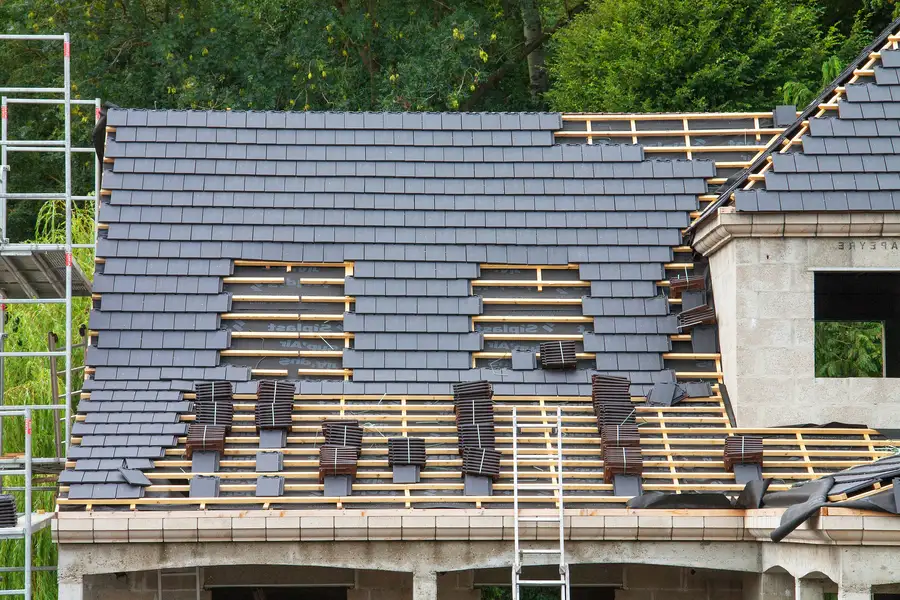
Quality installation of flashing increases the durability of your roof. During roof installation, it’s important to ensure that flashing is securely placed and sealed. Incorrectly installed flashing can lead to issues such as leaks and reduced lifespan of your roofing materials. Ensuring professional placement during roof installation can prevent costly repairs down the line and extend the life of your roof.
Common Problems Caused by Poor Flashing
Poor or damaged flashing can lead to several issues. Leaks are the most common problem, which can result in water stains on ceilings and walls. In severe cases, this may also cause mold growth due to prolonged exposure to moisture. Beyond aesthetic concerns, mold can pose health risks to occupants. Furthermore, compromised flashing can weaken the overall structure of the roof, leading to further degradation if not addressed promptly.
Solutions for Effective Flashing Installation
To ensure effective flashing installation, consider hiring experienced professionals who understand the intricacies involved. Here’s what effective flashing installation generally entails:
- Choosing high-quality materials resistant to corrosion and weathering
- Ensuring precise fitting around all roof penetrations like pipes and chimneys
- Sealing all joints and overlaps with waterproof sealant
- Regular inspections and maintenance to catch any potential issues early on
Best Practices for Maintaining Flashing Integrity
Maintaining the integrity of your roof’s flashing involves regular checks and upkeep. Inspect flashing at least twice a year or after major storms for any signs of wear or damage. Promptly repair any cracks or loose pieces to prevent leaks. Additionally, trim back overhanging branches that might damage the flashing during strong winds. Investing time in these preventive measures helps avoid larger problems and extends the lifespan of both the flashing and your entire roof.
Cost Considerations of Installing Quality Flashing
The cost of installing quality flashing varies based on factors such as material choice and roof complexity. While high-quality materials may be more expensive initially, they offer better durability and long-term savings by reducing maintenance costs. Choosing durable materials like aluminum or copper can provide great value for money due to their long-lasting nature. Assessing initial costs alongside potential repair savings helps homeowners make financially sound decisions regarding their roofing investment.
Your Next Step Towards Secure Roofing
If you’re looking for reliable roofing solutions, prioritize quality flashing to protect your home effectively. Located in Hayward, CA, I am here to assist with personalized recommendations based on your specific needs. At Bay Area Roofing Specialists, I specialize in providing top-notch roofing services that guarantee customer satisfaction. For more information or to schedule an inspection, call (929) 282-4470. Let me help secure your roof’s future today.